The Columban mission is a global Catholic missionary movement founded in 1918 to share the Gospel across cultures and support communities in need. Our Society was formally founded in 1918 and takes its name from Saint Columban, Ireland's 6th-century missionary to Europe.
It brings together priests, lay missionaries and co-workers to serve in different parts of the world, often in places where the Church is still growing or where support is limited.
The mission focuses on living and working alongside people, especially those facing poverty or exclusion, while promoting justice, peace and care for the earth. This approach is centred on building relationships, listening to local communities and responding to their needs in ways that are respectful and culturally aware.

Key facts about the Columban missionaries
- Founded in 1918 in Ireland
- Named after Saint Columban, a 6th-century missionary
- The first mission was sent to China in 1920
- Now serving in 16 countries worldwide
- Includes priests, lay missionaries and associate priests
- Works closely with local communities across cultures
- Focuses on justice, interfaith dialogue and care for the environment
How the Columban mission expanded and built global support
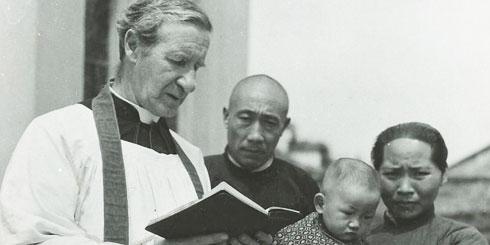
The co-founders, the young Fathers Edward Galvin and John Blowick, found others who embraced their vision, and the first Columbans went to China in 1920. Within a couple of years, we had widened to the United Kingdom, United States, Australia and New Zealand, following Irish emigrants to the new world to seek support for the new missionary movement.
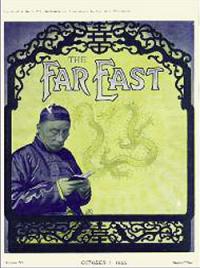
Our mission magazine, The Far East, was launched in Ireland and the United Kingdom. The magazine continues to be the primary means of communication with our benefactors and supporters in those countries. The Far East magazine was also launched in the United States and Australia and is a major fundraiser for Columban Missionaries. The magazine features articles and mission news by Columban Missionaries.
How the Columban Sisters became part of the mission
Before long, it became evident that, in order to minister to families in China, women were needed. Francis Moloney, a young widow who wanted to serve the needy, in collaboration with Fr John Blowick, founded another branch of the Columban missionary enterprise - the Missionary Sisters of St Columban. In 1922, Francis, together with twelve companions, began their training to become Columban missionary sisters. A few years later they set out for China.
At first, the vision did not extend beyond China. But Christ's command was - "Go, make disciples of all the nations" - and gradually the vision widened to the Philippines (1929), Korea (1933), Burma (1936), and Japan (1948). When mainland China was closed to missionaries in the 1950s, Columbans responded to the call of Latin America in 1951 and went to serve the poor in the new urban settlements in Peru and Chile.
The Society also responded to the missionary needs of the Church in Fiji. As well, Columbans went to Pakistan, Taiwan, Brazil, Jamaica and Belize. Columbans returned to China and Myanmar (Burma) in the 1990s. Due to diminishing resources, we have since withdrawn from Belize, Jamaica and Brazil.
The initial vision has evolved in a number of ways. We originally drew our members from the English-speaking world but now invite young men from the Churches to whom we have been sent to join us. In the early 1980s we invited lay missionaries to join us on mission. Columban Lay Missionaries from a variety of countries are presently working with us in 10 countries.
How associate priests support the Columban mission
Since 1960, diocesan priests have joined us on mission for a limited period as Associate members. They have come from Australia, New Zealand, Ireland, Britain, Korea, Chile, Peru, Myanmar and the Philippines. There are presently Associate priests ministering in three countries.
Due in large part to the impetus of Vatican II, the Church has become more aware of her mission in and to our world. In this regard, we Columbans take a special interest in social justice, as many of those to whom we have been sent live in poverty or even misery.
More recently we have also grown in awareness of our role as stewards of the planet on which we live. We too are of the earth and, as such, we are called to enter into a harmonious and responsible relationship with the earth and all that finds sustenance for life from the earth.
As missionaries, we learn to distinguish between the essentials of our Christian faith and cultural factors that have become intertwined with the faith. From this we learn that each cultural group gradually stamps the faith with its seal; that is, it packages the faith in its own particular way. A major challenge in entering into a dialogue of faith with other people is to understand, appreciate and respect their way of seeing and doing things.
Dialogue with other religions is also challenged in a variety of circumstances. Some form of animism may be the main religion of the people to whom we are sent. Dialogue with Islam is an ever more challenging task in many parts of the world. Buddhism too is very much a religious force in a number of Asian countries where we work. Retaining our own Christian faith identity while respecting and learning from that of the other can be most rewarding.
Where Columbans serve today
For us, as for our founders, the Columban missionary vision has continued to grow. There are presently 321 Columban priests, 36 Columban Lay Missionaries and 10 Associate priests ministering in 16 countries around the world, including Australia, New Zealand, Britain, Ireland, Fiji, China, Japan, Korea, Mexico, Myanmar (former Burma), the Philippines, Taiwan, Pakistan, Chile, Peru, and the United States of America.
Columban priests work together with Columban Sisters, Columban Lay Missionaries and lay Co-workers from a standpoint of solidarity with the poor and the integrity of creation. Solidarity with the poor means that we recognise the moral challenge of worldwide and local poverty. It means supporting the struggle of the poor for real participation and against injustice. We go in the name of the Church to announce, by deed and word, the good news of Jesus Christ.
Timeline of the Columban mission
Here is a quick timeline of the Columban mission so you can easily see how it has grown and expanded over time.
- 1918: The Society is founded in Ireland
- 1920: First missionaries are sent to China
- 1922: Columban Sisters are established
- 1929 to 1948: Expansion into the Philippines, Korea, Burma and Japan
- 1951: Mission extends to Latin America, including Peru and Chile
- 1960s: Associate priests begin joining the mission
- 1980s: Lay missionaries are invited to take part in mission work
- 1990s: Return to China and Myanmar
- Today: Columbans serve in 16 countries worldwide
Columban missionaries in Australia
Columban missionaries have been present in Australia since the early years of the Society’s expansion, with their main residence established in Essendon, Victoria, in 1924. Today, Columbans are also based in Sydney, Brisbane and Perth, continuing their work across local communities while supporting the wider global mission.
Australia plays an important role in supporting the Columban mission work through fundraising, outreach and engagement. The Columban Mission Centre in Melbourne leads efforts that support overseas missions, while the Columban Centre for Christian Muslim Relations in Blacktown focuses on building dialogue and understanding between communities, working closely with the Diocese of Parramatta and local groups.
Across Australia, Columbans also carry out work under Peace, Ecology and Justice, reflecting their commitment to social justice, environmental care and respect for all creation. Through these efforts, they continue to build relationships within communities while contributing to the broader mission worldwide.
What makes the Columbans different
The Columbans are different because they are an international missionary society focused on crossing cultures and working directly with communities in need. They are not limited to one place, but are sent to serve where the need is greatest, often in areas that are underserved or facing social and economic challenges.
Their work is shaped by living alongside people rather than working from a distance. This includes learning local languages, respecting cultural traditions and building trust over time through shared experiences and daily interaction.
Another defining feature is their focus on solidarity with the poor, interfaith dialogue and care for the environment. Columbans work closely with people of different faiths and backgrounds while remaining committed to their Christian identity, creating space for mutual understanding, respect and meaningful collaboration.
How to support the Columban mission today
There are several ways to support the Columban mission and take part in its work across the world. Support helps sustain mission activities and strengthens connections with communities.
You can support the mission by contributing through donations, which help fund projects and outreach efforts in different countries. Reading and sharing The Far East magazine is another way to stay informed and connected with mission work.
Learning more about the Columban mission and sharing its work with others also plays an important role. Every form of support helps continue the mission and extend its reach to more communities.
